
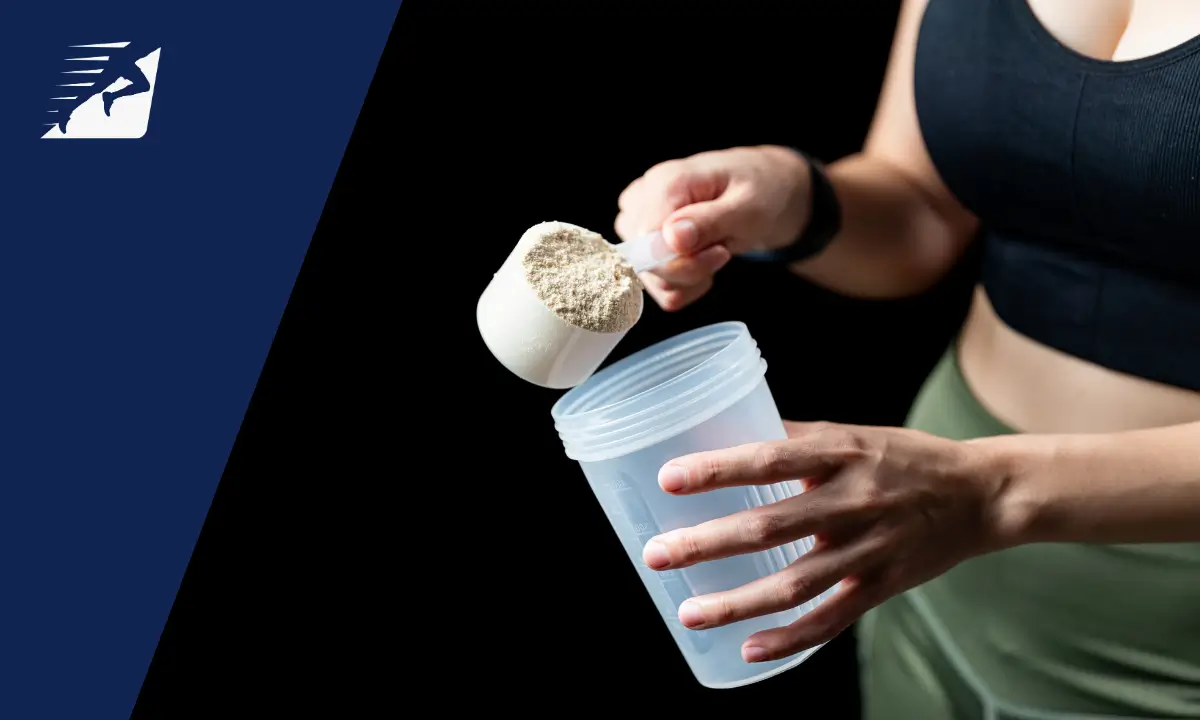
Recovery after exercise is an incredibly important cornerstone for the development of physical and athletic performance.
Only by giving our bodies sufficient time to recover can they process the efforts from training, which in turn leads to improved performance. The type of recovery also has a significant impact on our development.
Recovery: Refueling and Adaptation
Not only the exercise itself affects the development of our athletic abilities but also the time between physical activities. During recovery, our muscles are replenished with proteins, carbohydrates, and fats, and our immune and hormonal systems also get a chance to recuperate.
Besides replenishment, recovery has another critical benefit. During this time, our bodies process the efforts exerted in training or competition. This adaptation helps the body reach a higher performance level. This process is especially vital after intense physical exertion, which requires more recovery time to enable the body to adapt to previous challenges. If we give our bodies too little time to recover, this can often lead to a poorer fitness state or overtraining due to excessive exhaustion.
Training Itself Weakens the Body
Why does our body need time to recover after exercise? It’s simple! Training actually weakens our body. After exercising, our performance capability is temporarily reduced due to factors such as a weakened immune system (open-window effect) and damaged muscle structures.
During recovery, the body starts repairing itself. For example, muscle fibers are repaired, and the body adjusts to better counter future resistance, leading to improved performance. Simply put, during recovery, the body prepares itself to handle future challenges of similar intensity better, which naturally results in enhanced performance.
Recovery: Should You Stretch?
Many studies show that stretching after exercise has no positive effect on recovery. In terms of preventing muscle soreness, stretching before or after exercise has no proven positive impact. So, if you’ve never stretched before or after exercise, you can continue skipping it.
Recovery: Warm-Up and Cool-Down
Whether we should warm up before physical activities depends on the intensity of the activity. For a base endurance run, we can safely skip both the warm-up and cool-down. However, for competitions or interval training, warming up is essential. It reduces the risk of injury and contributes to better recovery, as warming up can decrease the likelihood of muscle soreness.
Conversely, a cool-down has no proven positive effect on preventing muscle soreness but can help reduce built-up lactate after intense sessions.
Recovery: Nutrition After Exercise
Nutrition plays a significant role in recovery after exercise. However, there’s no universal solution. What to eat and drink depends on fitness levels, goals, and the type of sport.
A recreational runner doesn’t need to focus as much on post-exercise nutrition as a competitive athlete aiming for a personal best in a marathon.
Essential Nutrients Post-Exercise:
- Fluids: Not just water. During prolonged or intense activity in extreme conditions (e.g., heat), some fluid loss should already be replaced during exercise.
- Carbohydrates: To replenish glycogen stores. The longer the exercise, the more depleted these stores become.
- Proteins: Often overlooked by runners but essential for muscle building and recovery.
Timing of Energy Intake Post-Exercise
It’s one of the most debated topics: the ideal timing for carbohydrate and protein intake post-exercise. Most studies recommend a quick initial intake within 30 to 60 minutes after exercising. However, some recommend small meals throughout the day, placing less emphasis on immediate intake.
In general, you won’t go wrong by starting energy intake soon after exercising. For four-time Olympic champion Mo Farah, consuming carbohydrates immediately after exercise was a key to his success.
Tip: Consume carbohydrates within the first 30 minutes post-exercise, ideally combined with some protein.
First Carbs, Then Protein
Protein synthesis in muscles occurs over several days. Therefore, large amounts of protein immediately after training aren’t necessary. Instead, regular protein intake is crucial. Ideally, every meal should include some protein. While carbohydrates quickly provide energy, proteins have a long-term effect, aiding muscle recovery and even helping prevent muscle soreness.
Long-Term Recovery Perspective
The design of the training program itself significantly impacts the body's recovery. After intense or long sessions, more recovery time is needed compared to shorter or lighter activities. Thus, a hard session should be followed by an easier one to avoid overtraining.
Similarly, weekly cycles should vary in intensity. In endurance sports, the following system is common: After three "normal" training weeks, a week with reduced volume and intensity allows the body and system to fully recover.
Additional Recovery Tips
Here are more suggestions that might positively influence recovery after exercise. Since everyone responds differently, not every method works for every athlete. Experiment to find the best solution for yourself.
Our Tips for Post-Exercise Recovery:
- Alternate between hard and easy sessions. As mentioned, a challenging workout should be followed by an easier one.
- Active recovery: Light activity like walking can aid recovery, helping lactate break down faster than just lying on the couch.
- Ice baths: These can positively impact recovery in the first few days after intense activity but may also have opposing effects.
- Warming muscles: Likely to have positive effects on muscle recovery.
- Wearing compression garments overnight can accelerate muscle recovery.
- Cross-training: Engaging in other sports works different muscle groups, provides variety, and spares the muscles and joints used in your primary sport.
- Sleep: Adequate, quality sleep is crucial for recovery, increasing energy levels and reducing injury risks. Depending on training intensity, 7 to 9 hours is ideal.



Kommentar schreiben