
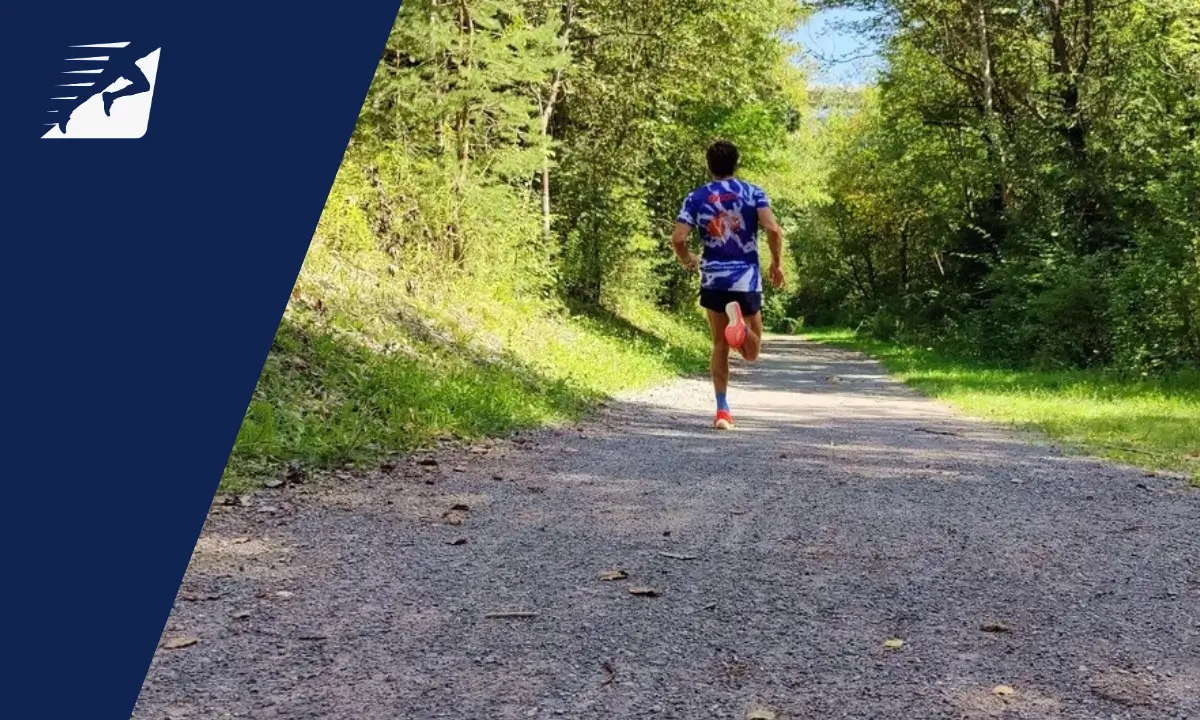
The running year has a rhythm – and the key to long-term success lies in intelligent, holistic training planning.
Most runners know that specific training pays off, but few pay attention to the importance of recovery phases and general foundational work. These three pillars – recovery, general training, and specific training – are the foundation for every runner, whether you are running your first 5k or preparing for a marathon.
Only those who structure their year wisely can avoid injuries, make progress, and maintain the joy of running!
The Three Training Phases for a Successful Running Year
A successful running year is based on three essential training phases: recovery, general foundational and build-up training, and specific training. Each phase has its purpose and place in the training calendar:
- Recovery: This phase focuses on active rest. The emphasis is on light activities like yoga or gentle movement to minimize the risk of injury.
- General foundational and build-up training: The focus here is on developing basic endurance, strength, and movement efficiency. This phase can also be used to address individual weaknesses. My personal tip: Runners lacking speed should include intense sessions during this phase. Runners lacking endurance should emphasize improving their aerobic capacity. This phase is also ideal for experimentation.
- Specific training: This phase is goal-oriented and prepares you for specific races. Interval training, tempo runs, regular foundational runs, and long runs (especially for marathons and half-marathons) play a central role here.
The balance between these phases not only ensures a strong cardiovascular system but also prepares you mentally for athletic challenges.
Annual Planning for Marathons and Half-Marathons
A well-thought-out annual plan for marathon and half-marathon runners with two peak race seasons could look like this (depending on the timing of the races):
| Months | Focus | Description |
|---|---|---|
| November - January | Foundational and build-up training | Build general endurance, improve technique, integrate strength training |
| February - April | Specific marathon/half-marathon training | Specific race preparation focusing on target pace |
| May | Recovery | Physical and mental rest |
| June | Foundational and build-up training | Focus again on endurance and movement efficiency |
| July - September | Specific marathon/half-marathon training | Specific race preparation focusing on target pace |
| October | Recovery | Post-season rest |
This plan accommodates two seasonal highlights: a spring marathon or half-marathon in April and a fall marathon or half-marathon in September. Both specific training phases are complemented by recovery and general training blocks.
Annual Planning for 5k and 10k Races
Runners specializing in 5k or 10k races can aim for peak performance multiple times a year. Here's a possible plan with three seasonal highlights:
| Months | Focus | Description |
|---|---|---|
| February - March | Specific 10k training | Focus on pace and race endurance |
| April | Recovery + foundational training | Short recovery phase followed by general training |
| May - June | Specific 5k training | Intensive interval training for speed |
| July | Recovery + foundational training | Combination of recovery and light sessions |
| August | Foundational and build-up training | Refocus on endurance and efficiency |
| September - October | Specific 5k/10k training | Final phase for race pace preparation |
| November | Recovery | Post-season rest |
| December - January | Foundational and build-up training | Preparation for the new season |
This plan takes advantage of the flexibility of shorter distances and strategically spreads the seasonal highlights throughout the year.
Three Different Race Distances: For those aiming to race 5k, 10k, and a half-marathon, specific half-marathon training should begin as early as August, concluding with a half-marathon race at the end of October.
Important Tip: The periodization of training is explained in greater detail in the following article: Marathon Training: How do successful marathon runners train? Every runner should take a few minutes to read this article closely.
What Should General Foundational and Build-Up Training Look Like?
General foundational and build-up training forms the basis for athletic success. It includes long, easy runs, technique drills, strength training, and running ABC drills. As mentioned earlier, it's also critical to use these phases to address individual weaknesses. This makes it challenging to provide universal recommendations or create pre-designed training plans. That’s why, in our "Big Running Book of Training Plans," we’ve consciously avoided intermediate plans, as these need to be tailored to the individual.
Furthermore, the design depends on the performance level and race distance. Here's a rough idea for training during off-season phases:
5k
Beginners: Focus on regular, short runs (3–5 km), complemented by easy strides.
Experienced recreational runners: Incorporate longer runs (10 km) and short intervals (e.g., 8 × 400 m).
Highly trained recreational runners: Add intensive tempo sessions and longer intervals (10 × 500 m).
Important for all groups: Address weaknesses. Strength training (2x per week) is also highly beneficial.

10k
Beginners: Build endurance with runs up to 7 km, including a weekly fartlek.
Experienced recreational runners: Include runs up to 15 km and intervals (6 × 1,000 m).
Highly trained recreational runners: Incorporate specific tempo runs and longer intervals (8–10 × 1,000 m).
Tip for intervals: Runners lacking speed should include short intervals (e.g., 400m tempo runs), while those with endurance deficits should focus on long intervals (e.g., 2 × 5 km or 3 × 3 km).
Half-Marathon
Beginners: Long, easy runs up to 12 km, combined with short intervals and fartlek training.
Experienced recreational runners: Runs up to 15 km and tempo runs of 8 km.
Well-trained recreational runners: Long runs up to 20 km, supplemented by tempo runs at race pace.
Marathon
Beginners: Focus on steadily increasing long runs up to 20 km.
Experienced recreational runners: Longer runs up to 25 km, combined with light fartlek training.
Well-trained recreational runners: Longest runs up to 30 km, incorporating sections at tempo pace.
Important Note for Marathon and Half-Marathon:
For these distances, the off-season is particularly important for addressing weaknesses. For example, runners who perform significantly better in short-distance races than in longer ones likely have deficits in endurance capacity. In such cases, it is beneficial to integrate more long foundational runs into training, as well as longer runs at race pace, even in interval formats.
Examples for marathon training include:
- 3 to 5 x 5 km at marathon pace with 1 km at foundational pace in between.
- 20 to 30 km at marathon pace or at least close to marathon pace.
Summary
A smart annual running plan consists of a balanced combination of recovery, general foundational training, and specific training. Depending on the goal—whether a marathon, half-marathon, or shorter distances—training content and intensity must be adjusted. Runners who thoughtfully structure their year minimize the risk of injury and maximize their progress.



Kommentar schreiben